
Storm Damage
Hail & Storm Damage Roof Inspections in Austin, TX
Severe storms are a common part of life in Central Texas, and roof damage isn’t always easy to spot after the weather clears. Even small hailstones or high winds can compromise shingles, flashing, and other roofing components, leading to leaks or long-term damage if left unaddressed.
At Great Hills Roofing, we provide professional storm damage and hail damage roof inspections for homeowners throughout the Austin metro area. Our goal is to identify issues early, explain your options clearly, and help protect your home from costly repairs down the road.
Understanding Roof Hail Damage
Hail damage doesn’t always cause immediate leaks, but it can weaken your roofing system over time and lead to costly problems if left unaddressed. Impacts may bruise or crack shingles, dislodge protective granules, or create small fractures that allow moisture to penetrate beneath the surface. These issues often develop gradually, making early damage easy to overlook. Leaks that appear only during heavy rain also deserve a professional evaluation.
Our team is trained to identify both visible and subtle signs of hail damage and evaluate how they may affect your roof’s long-term performance. We take the time to explain our findings, answer your questions, and guide you through the next steps with confidence and clarity—so you can make informed decisions about protecting your home.
How to Tell If Your Roof May Have Storm Damage
Hail and wind damage can occur even if nearby homes appear unaffected. Storms often impact properties unevenly, meaning your roof could be damaged while others nearby are not. Common warning signs around your property may include:
- Leaves stripped from trees or plants
- Dents on vehicles, metal surfaces, or outdoor furniture
- Damage to air conditioning units or exterior fixtures
If you notice any of these signs, it’s a good idea to schedule a roof inspection. Damage at roof level is often not visible from the ground.
Why Choosing Great Hills Roofing Matters
Not all storm damage is easy to identify. Issues such as bruising, divots, dark impact marks, granule loss, or hairline fractures can be missed without proper training. In some cases, normal aging, sun exposure, or installation scuffs may resemble hail damage, making accurate identification critical when deciding whether repairs or insurance involvement are necessary.
At Great Hills Roofing, we perform thorough, professional roof inspections of shingles, flashing, vents, skylights, gutters, chimney caps, and all roof components. Our experienced team knows how to distinguish true storm damage from normal wear and tear, and we explain our findings clearly and honestly so you can make informed decisions without pressure.
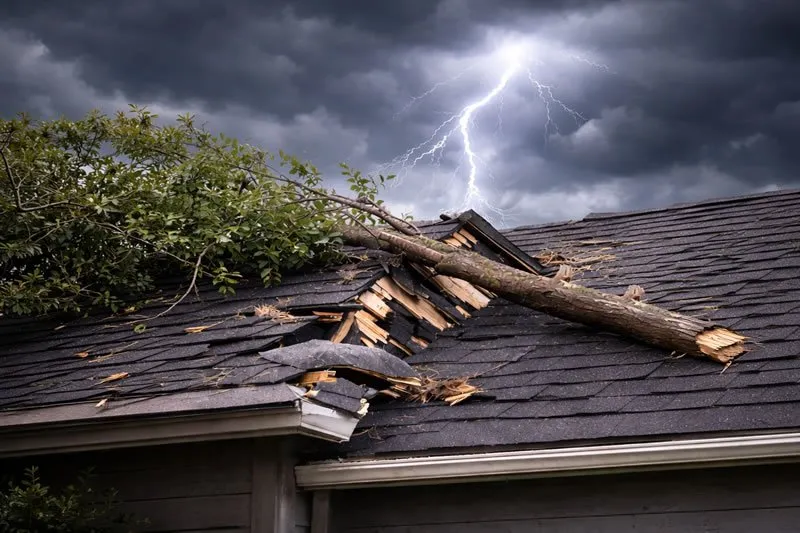
Storm Damage Repairs & Insurance Guidance
Even if your roof is not leaking today, untreated hail damage can shorten its lifespan. Missing granules expose shingles to UV damage, and small fractures can worsen over time, eventually leading to leaks or interior water damage. Addressing storm damage early helps protect your home and may reduce long-term repair costs.
Most homeowner insurance policies include coverage for hail damage, but coverage details vary. Deductibles, claim deadlines, cosmetic damage exclusions, and policy language can all affect how a claim is handled. We work alongside homeowners to help them understand whether filing a claim makes sense and what to expect throughout the process.
- Detailed, professional roof inspections
- Clear guidance on insurance considerations
- Support throughout the inspection and claims process
If you are planning a roof replacement or upgrade, we also offer impact-resistant roofing options, including Class 4 shingles designed to better withstand hail and flying debris. These materials can improve long-term durability and may qualify for insurance premium discounts.
Concerned About Storm Damage?
Schedule a free inspection for a clear assessment of your roof and honest recommendations. If a storm just passed, our hailstorm homeowner checklist explains safe steps you can take from the ground.